
Other than needing to sit down a lot because, well, my body is knackered at the ripe old age of 36, I absolutely love a chair.
I notice them everywhere.
I can’t say for sure, but I imagine they’re among those objects that largely go unnoticed. They’re part of the quotidian, the everyday. So familiar, perhaps, that we barely give them a second thought.
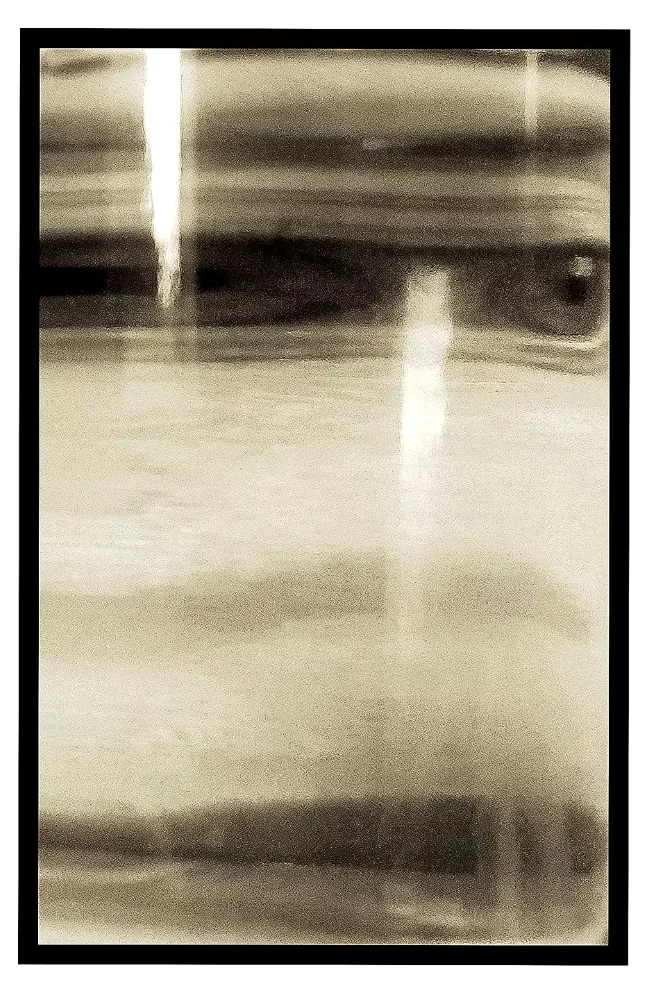
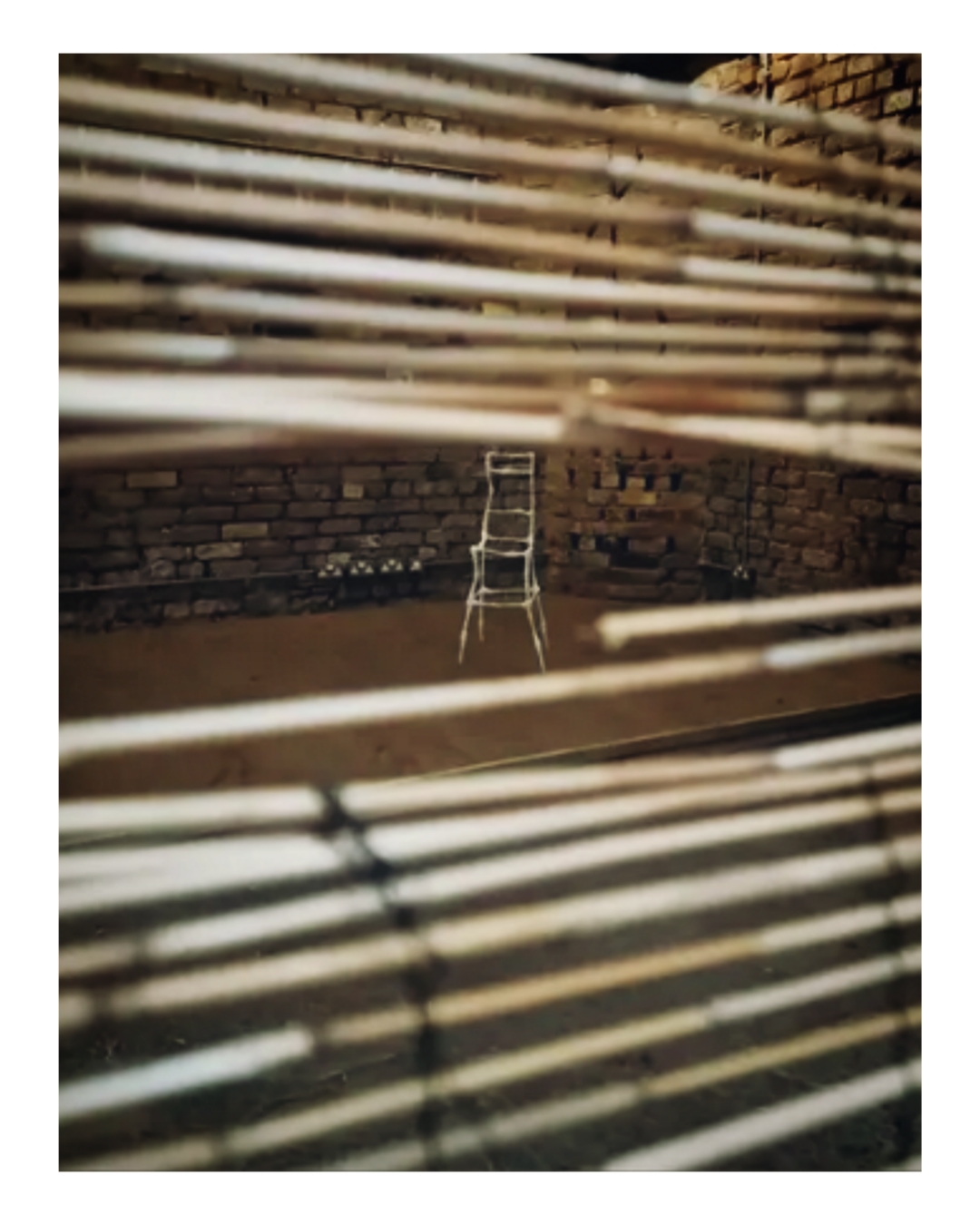
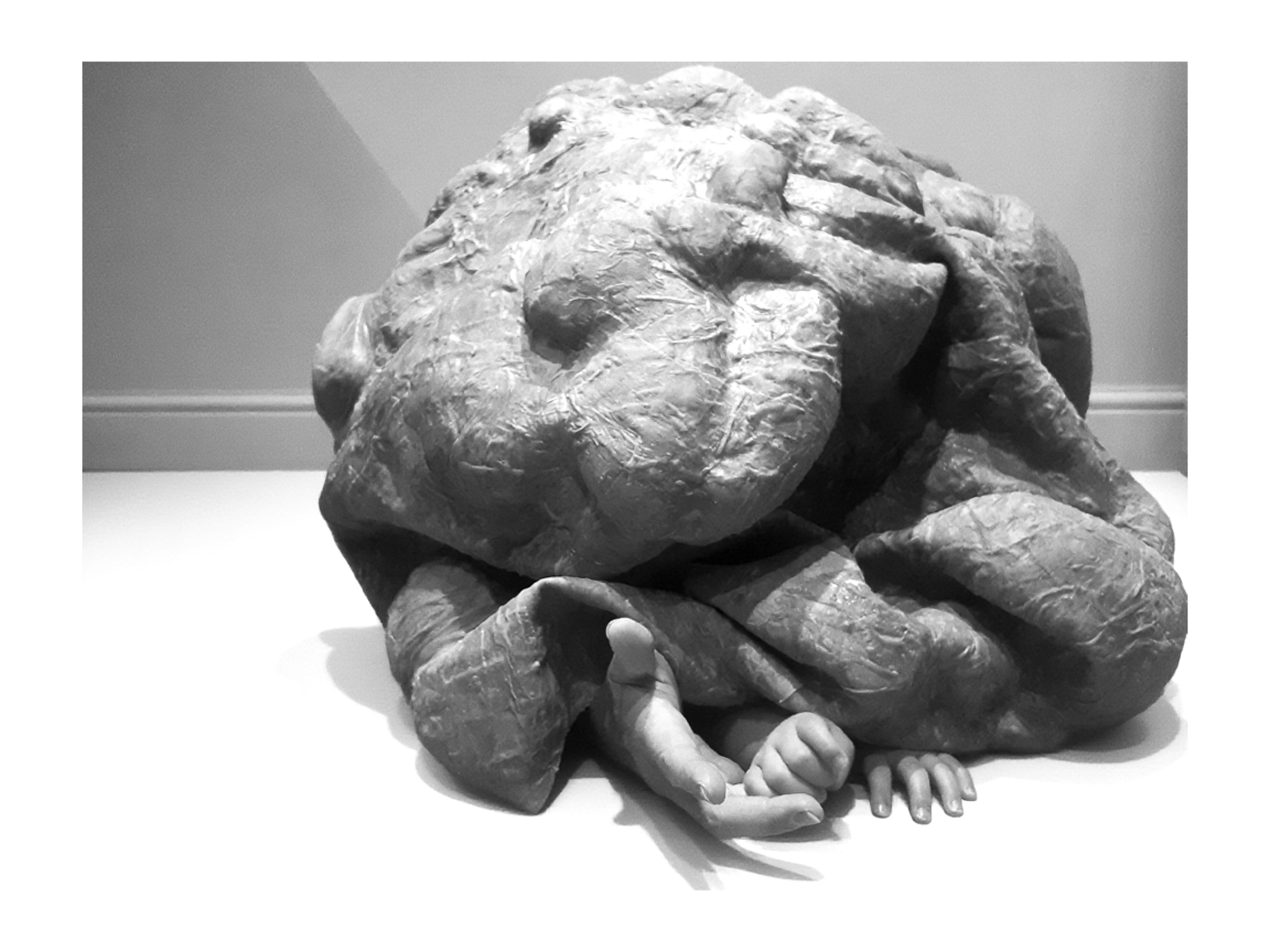
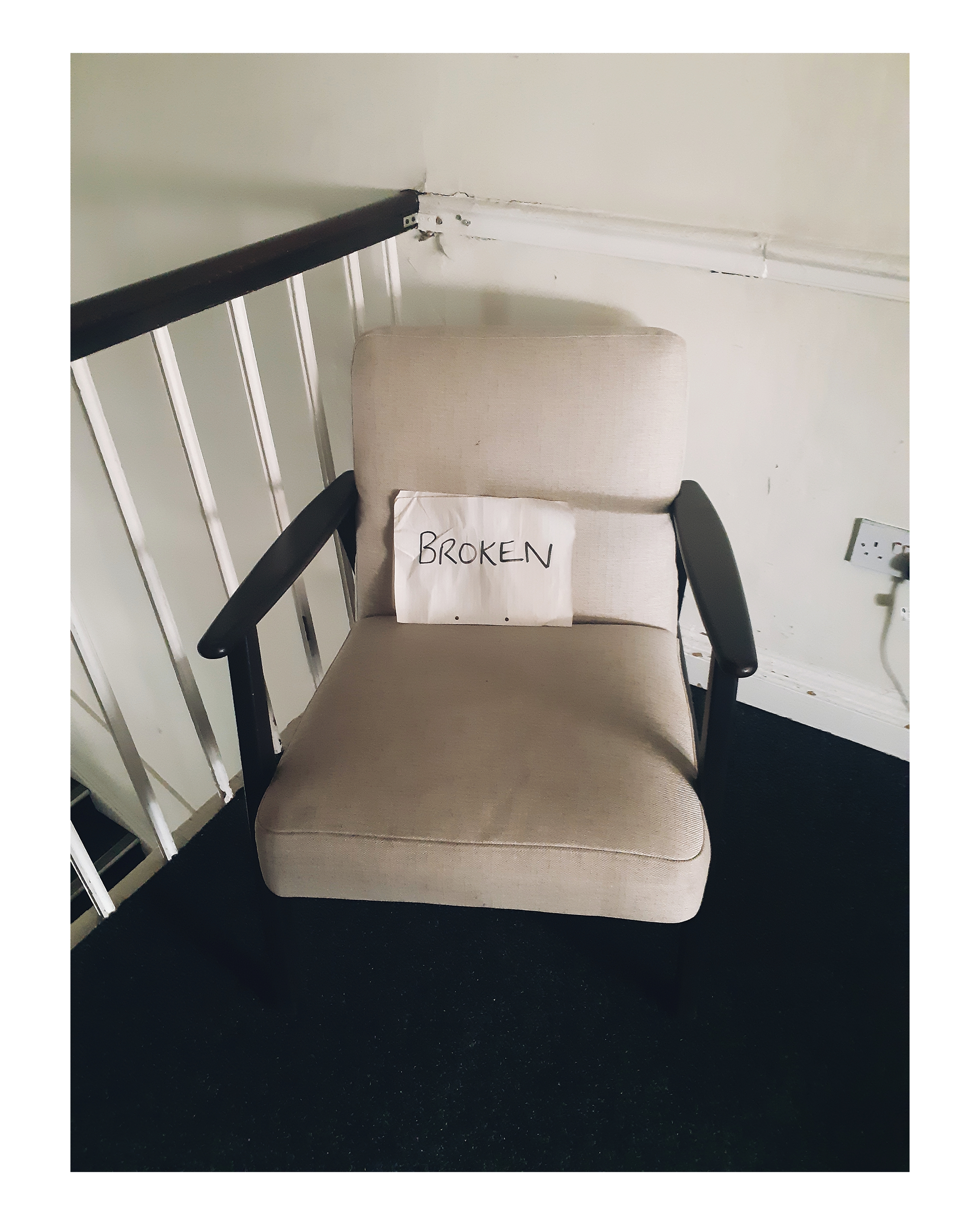
And yet, I find myself increasingly drawn to them. Abandoned chairs, broken chairs, chairs that have been repaired, chairs that barely look like chairs at all. I’ve been photographing them, drawing them, gazing lovingly at them, making them, and generally finding myself rather preoccupied with them.
This rather avid love affair, alongside my interest in the chair as a structure and its relationship to the body, has led me to include it in my research. Although I’ve always found chairs alluring, I didn’t begin exploring this fascination through my practice until I started Structures of Remembering in 2025.
Although I suppose I’ve been exploring the ideas behind Structures of Remembering long before I had a name for what I was doing.
The body, memory, lived experience, the ways in which we carry things with us, and how making might allow us to process what we don’t necessarily have the language for.
I’ve spent much of my life living in my head, while my body has gone largely neglected. Which, come to think of it, might be another reason I’m so grateful for chairs.
Before I go off on a tangent, which is so often the case, I think I should try to explain why I want to include chairs in my research.
I wouldn’t say I’m close to nailing down my research question yet (not that I think there’s an expectation of that at this stage anyway), but I know it will build on concerns I’ve explored over the past four years of my practice, particularly repetition, embodied knowing, and how the process of making might allow something previously unrecognised to become perceptible.
In my previous post, I began wondering what it is about repetition (another thing I’m obsessed with) that makes something previously unrecognised, or hard to articulate, perceptible. Not just in the finished work, but in me, in the material, and in the relationship between the two.
And I suppose the chair offers me a familiar structure through which I might begin exploring some of these questions.
It’s an object made in relation to the body. Something designed to support us, hold our weight, offer rest. But it can also suggest absence, vulnerability, or the failure of that support.
And then there’s my own relationship with the chair, which I’ve begun to recognise differently through making and reflecting on the work.
When I began Structures of Remembering in 2025, I wasn’t immediately conscious of all the associations I would come to make with it. Understanding slowly trickled in each time I returned to the work and reflected on my experiences; I began to recognise the chair as a structure that held particular meaning for me.
A chair has been a place where I’ve felt held. Somewhere I’ve been anchored enough, surrounded by other chairs, to begin exploring experiences that had felt contained and suppressed within me for much of my life.
Perhaps that’s why the chair keeps calling to me. Not simply as a symbol of support or absence, but as a familiar structure I can return to, repeat, alter, dismantle and remake.
The key points are…
- My interest in chairs predates Structures of Remembering, but I’ve been exploring them through my practice since 2025.
- The chair offers a familiar structure for exploring relationships between the body, support, presence, and absence.
- Repetition, embodied knowing, and the relationship between making and recognition have been recurring concerns throughout my practice.
- Returning to my work and reflecting on my experiences has allowed me to recognise personal associations with the chair that weren’t necessarily apparent when I began.
- I don’t need a definitive research question or a clear understanding of what the chair means just yet. Making, repeating, dismantling and remaking might offer ways of exploring these questions.
So, more chairs it is, then.